

The best time to visit Dehradun depends on whether you prefer lower rainfall or are comfortable planning around wet weather.
The city’s monthly climate averages show relatively little rain from October through May, followed by much wetter conditions from June through September; Hotel Amber Palace, a hotel in Dehradun, can serve as your base for city plans and nearby day trips.
- Drier stretch: October through May, based on monthly average rainfall.
- Wettest months: July and August, with average rainfall of 621.6 mm and 714.9 mm.
- Cooler months: January and December have average daily maximum temperatures below 22°C.
- Weather source: India Meteorological Department climate averages cover 1991–2020.
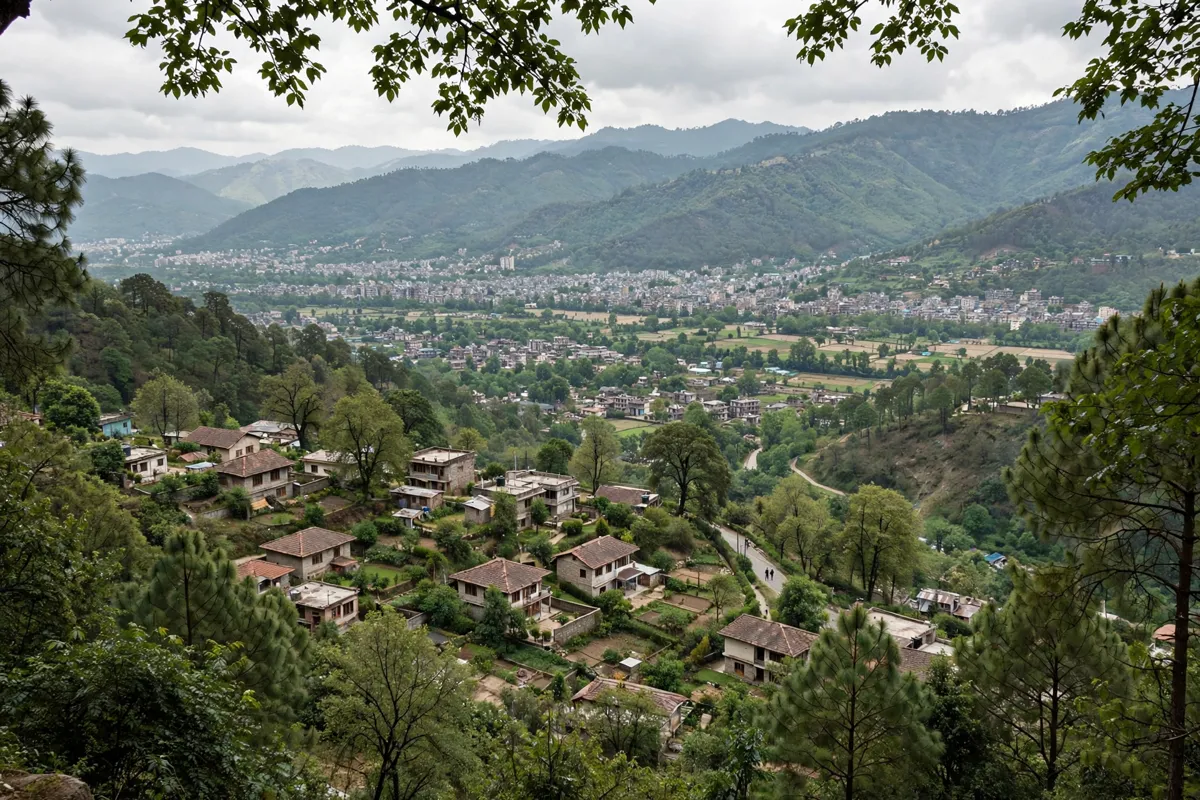
Dehradun Weather Through the Year
Dehradun’s climate averages show a marked shift from relatively dry months to a rainy summer and monsoon period. The India Meteorological Department’s 1991–2020 table gives monthly mean daily minimum and maximum temperatures, rainfall totals and rainy days.
From January to May, average daily maximum temperatures rise from 19.7°C to 35.3°C, while monthly rainfall stays between 32.9 mm and 57.9 mm.
The averages then show a wetter turn: June has 231.1 mm of rain and 10.3 rainy days, while July and August bring the highest monthly totals, at 621.6 mm and 714.9 mm. September remains wet, averaging 305.9 mm and 12 rainy days.
Rainfall drops in October, which averages 38.3 mm, and falls further in November, at 5.2 mm. December averages 13.0 mm. Across the year, the table records mean daily minimum and maximum temperatures of 16.1°C and 28.2°C, with 2,161.5 mm of rainfall over 84.1 rainy days.
For a broad seasonal choice, October through May is the drier part of the year in these averages; June through September is the wetter stretch. Temperature and rainfall are averages, so use them to compare months rather than as a day-by-day forecast.
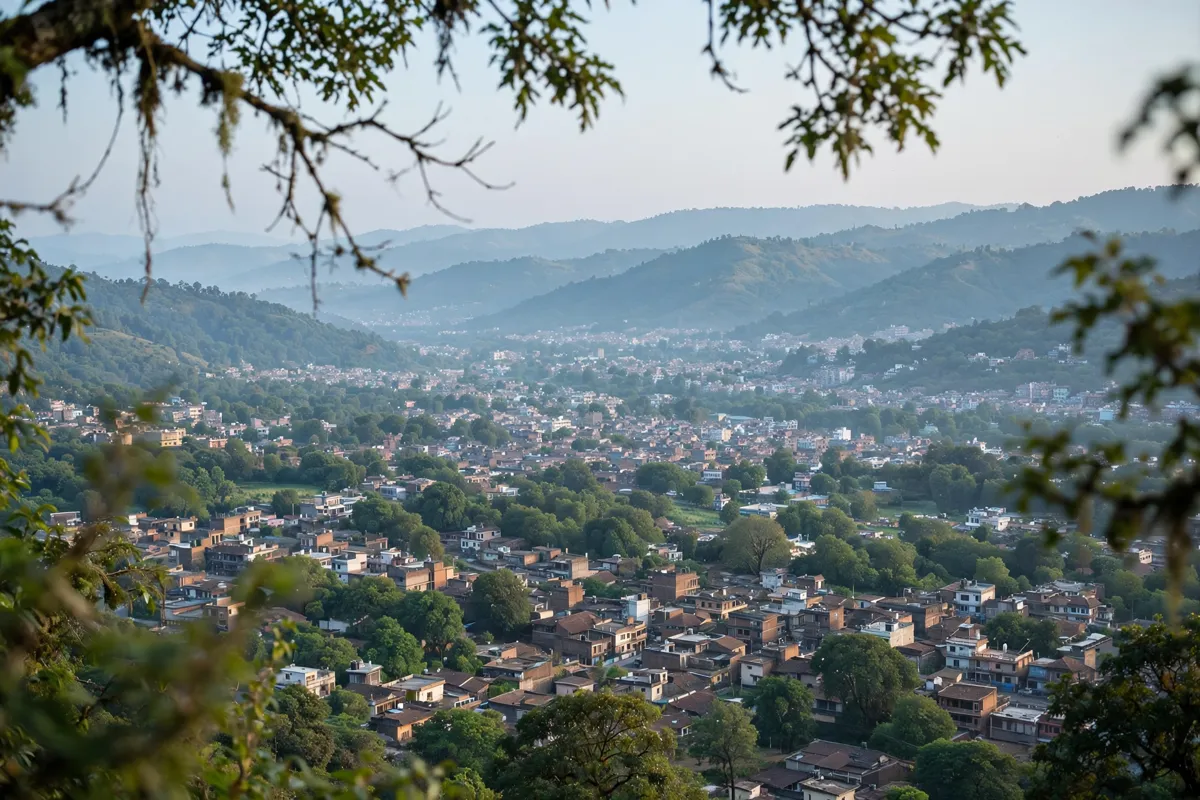
Winter Visits and December Conditions
Winter in Dehradun has cooler mornings and evenings than the warmer months, with low average rainfall in November, December and January. January’s average daily minimum and maximum temperatures are 6.6°C and 19.7°C, and December’s are 7.6°C and 21.7°C.
December averages 13.0 mm of rainfall over 1.1 rainy days, while November is the driest month in the climate table, with 5.2 mm and 0.4 rainy days. February begins a gradual warming trend: its average daily minimum is 9.2°C and maximum is 22.5°C, with 57.9 mm of rainfall.
For a winter visit, pack layers that suit the difference between the average daytime maximum and overnight minimum. The monthly figures are long-term averages, not a promise of conditions on a particular date; consult a forecast closer to your trip.
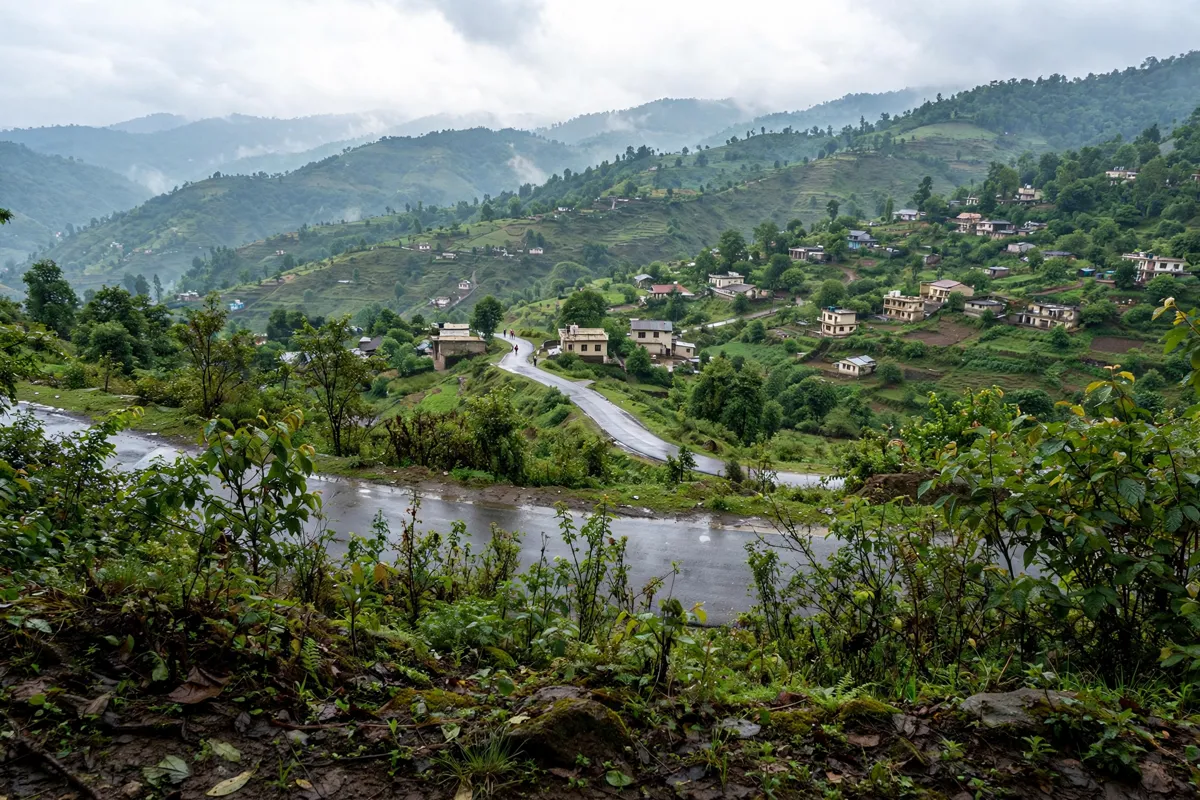
Summer, Monsoon and Outdoor Plans
Dehradun’s warmest average daily maximum arrives in May, while the heaviest average rainfall falls in July and August. May averages 35.3°C for the daily maximum and 21.2°C for the minimum, with 51.4 mm of rain. June remains warm, with an average maximum of 34.1°C, but rainfall climbs to 231.1 mm.
July and August are the wettest months in the table. July averages 30.6°C for the maximum and 621.6 mm of rain across 20.5 rainy days; August averages 30.1°C and 714.9 mm across 21.6 rainy days. September’s average rainfall falls to 305.9 mm, but it still has 12 rainy days.
If you are planning outdoor time or a road trip during these wetter months, allow room in your plans for rain and check conditions before setting out. A trip to Mussoorie is one nearby outing to plan around the forecast; the Mussoorie day-trip route from Dehradun covers practical one-day planning.
What to Check Before a Day Trip
Before a day trip, check a current forecast and any district weather warnings, especially when rain is part of the monthly pattern. The IMD’s Dehradun site provides city forecasts, observations and district-wise warnings, while its national Mausam site lists forecast products including a five-day district-wise rainfall forecast.
Use those updates to decide whether to keep an outdoor plan, adjust its timing or choose a different day. The IMD also provides short-term nowcast warnings, which can help you check for alerts closer to departure.
If Rishikesh is on your itinerary, the Rishikesh travel guide from Dehradun covers road, bus and day-trip planning. For weather forecasts and warnings, check the official site before you go: the India Meteorological Department.
For context on the local climate records, the IMD says its Meteorological Observatory at Dehradun was established on January 1, 1967, at the Survey of India’s Geodetic and Research branch campus.
FAQs
Which months are driest in Dehradun?
November has the lowest average rainfall in the IMD table, at 5.2 mm. October, December and January also have comparatively low monthly averages.
How rainy is Dehradun in July and August?
The 1991–2020 averages show 621.6 mm of rain in July and 714.9 mm in August. Those months average 20.5 and 21.6 rainy days, respectively.
What are average temperatures in Dehradun in December?
December’s mean daily minimum and maximum temperatures are 7.6°C and 21.7°C. Its mean rainfall is 13.0 mm across 1.1 rainy days.
Is May hot in Dehradun?
May has the highest average daily maximum temperature in the monthly table, at 35.3°C. Its mean daily minimum is 21.2°C.